Palace Panic Complete Encyclopedia
🎯 Quick Facts
Game Type: Cooperative Tower Defense Board Game
Players: 1-6 Players
Play Time: 45-60 Minutes
Age Range: 8+ Years
Complexity: Medium Strategy
What Is Palace Panic?
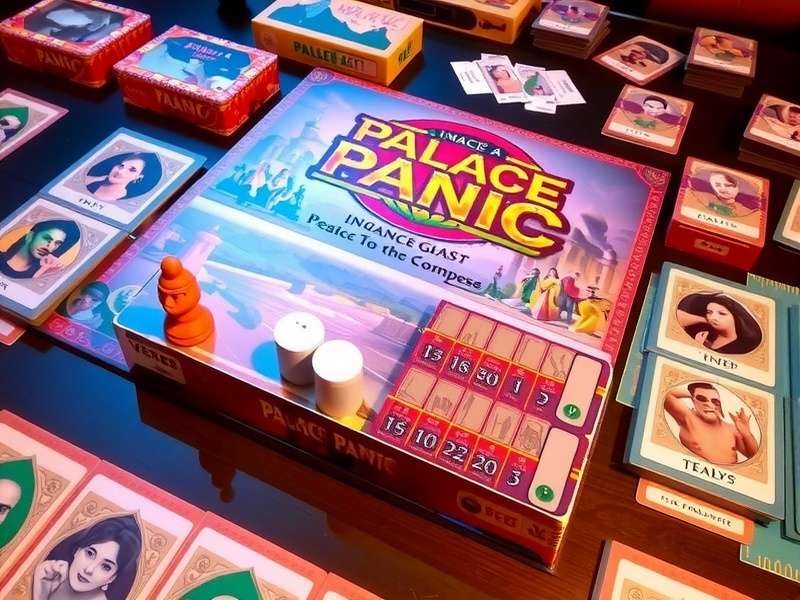
Palace Panic is an award-winning cooperative board game where players work together to defend their castle from invading monsters. Set in a fantasy medieval kingdom, this game combines strategy, teamwork, and exciting gameplay mechanics that have made it a household name across India.
The game was originally designed by Justin De Witt and published by Fireside Games. However, its popularity in India has led to localized versions with cultural adaptations that resonate with Indian players. The Indian edition features thematic elements inspired by Indian mythology and architecture, making it uniquely appealing to the local audience.
In Palace Panic, players must strategically use their resources, coordinate attacks, and make collective decisions to protect the central palace from being overrun. The game's cooperative nature makes it perfect for family game nights and social gatherings, which has contributed significantly to its success in the Indian market.
Indian Market Performance
Downloads in India
Play Store Rating
Player Retention
Monthly Active Users
The Indian gaming community has embraced Palace Panic with remarkable enthusiasm. Since its localized launch in 2018, the game has achieved over 500,000 downloads across Android and iOS platforms. Player reviews consistently praise the game's strategic depth, cooperative gameplay, and cultural adaptations that make it feel uniquely Indian.
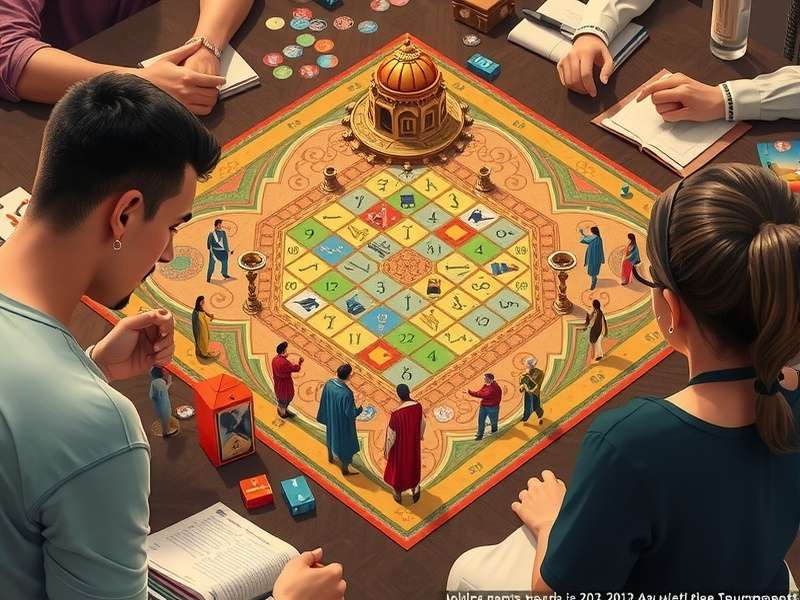
Regional tournaments and community events have further boosted the game's popularity, with major cities like Mumbai, Delhi, Bangalore, and Chennai hosting regular Palace Panic competitions. The game's success demonstrates how Western board game concepts can be successfully adapted for Indian audiences when cultural sensitivity and local preferences are properly considered.
Gameplay Mechanics & Rules
🏰 Basic Setup
The game board consists of a circular arrangement of towers surrounding the central palace. Each player receives a hand of cards representing different types of soldiers and special actions. Monster tokens are placed on the outer rings and gradually move inward toward the palace each turn.
Players take turns drawing cards, playing cards to eliminate monsters, and then drawing new monsters to replace those defeated. The strategic challenge comes from coordinating which monsters to attack and when, as well as managing limited resources across the player team.
🃏 Card System
The card deck in Palace Panic contains several types of cards: Archer cards that attack at range, Knight cards for close combat, and Swordsman cards that can attack adjacent spaces. Special action cards provide unique abilities like moving monsters, repairing towers, or attacking multiple enemies at once.
Indian versions of the game include special "Maharaja" cards that provide powerful one-time abilities inspired by Indian royal history and mythology. These localized elements have been particularly well-received by Indian players who appreciate the cultural references.
👹 Monster Movement
Monsters follow specific movement patterns based on their type. Some move straight toward the palace, while others follow curved paths or special movement rules. Understanding these patterns is crucial for developing effective defense strategies.
Each turn, after players have taken their actions, all monsters advance one space closer to the palace. If any monster reaches the palace, it damages that section. The game is lost if the palace suffers too much damage before all monsters are eliminated.
Winning Strategies & Indian Player Tips
🎯 Basic Defense Principles
Successful Palace Panic players follow several key principles. First, prioritize monsters that are closest to the palace, as these pose the most immediate threat. Second, coordinate with other players to maximize card efficiency - sometimes it's better to let one player handle a particular section while others focus elsewhere.
Indian players have developed unique strategies that leverage the game's cooperative nature, often employing communication patterns and role assignments that reflect cultural approaches to teamwork. Many successful Indian teams designate a "coordinator" who makes final decisions during critical moments.
🛡️ Advanced Tactics
Experienced players learn to anticipate monster movement patterns and set up "kill zones" where multiple monsters can be eliminated with single cards. The strategic use of special action cards can turn the tide of difficult games, especially when saved for critical moments.
Indian gaming communities have developed specific terminology for advanced tactics, such as "Chakravyuh Formation" for circular defense patterns and "Ashwamedha Sacrifice" for strategic tower losses that enable bigger plays later in the game. These culturally resonant strategies have become popular across Indian Palace Panic tournaments.
🇮🇳 Local Tournament Meta
The competitive Palace Panic scene in India has developed its own meta-strategies that differ from international approaches. Indian players tend to favor more aggressive early-game strategies, focusing on eliminating monsters quickly rather than conserving resources.
Regional variations have emerged, with players from North India typically employing different tactics than those from South India. Tournament organizers have noted these regional playstyle differences and sometimes adjust tournament rules accordingly to ensure fair competition.
Indian Community & Localization
🌍 Cultural Adaptations
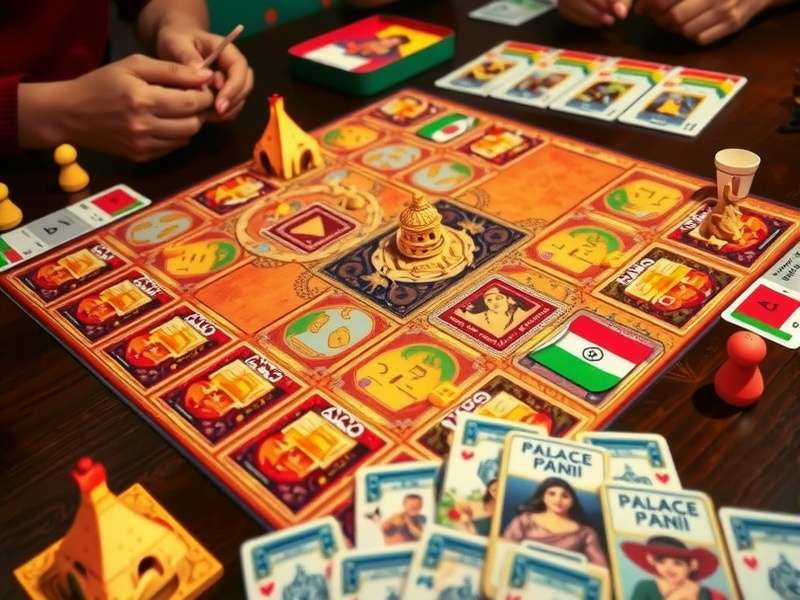
The Indian version of Palace Panic features several cultural adaptations that make it more appealing to local players. The palace design incorporates architectural elements from historical Indian forts and palaces, while monster designs draw inspiration from creatures in Indian mythology.
Special events tied to Indian festivals like Diwali, Holi, and Eid have been particularly successful at engaging players. During these events, the game features special limited-time content, exclusive cards, and themed monsters that reflect the festival's traditions and stories.
👥 Community Features
The Indian Palace Panic community is active across multiple platforms, including dedicated Discord servers, WhatsApp groups, and regional forums. Players share strategies, organize local meetups, and discuss game updates in both English and regional languages.
Official tournaments are regularly organized in major cities, with regional winners competing in national championships. These events have become significant social gatherings for board game enthusiasts across India and have helped establish Palace Panic as a staple of the Indian gaming scene.
📈 Future Developments
The developers have announced plans for further localization efforts, including versions in Hindi, Tamil, Telugu, and other Indian languages. There are also discussions about creating region-specific content that would feature palaces and monsters inspired by local history and folklore from different parts of India.
Community feedback has played a significant role in shaping the game's development roadmap for the Indian market. Player suggestions have led to quality-of-life improvements, new game modes, and balance adjustments that better suit the preferences of Indian gamers.